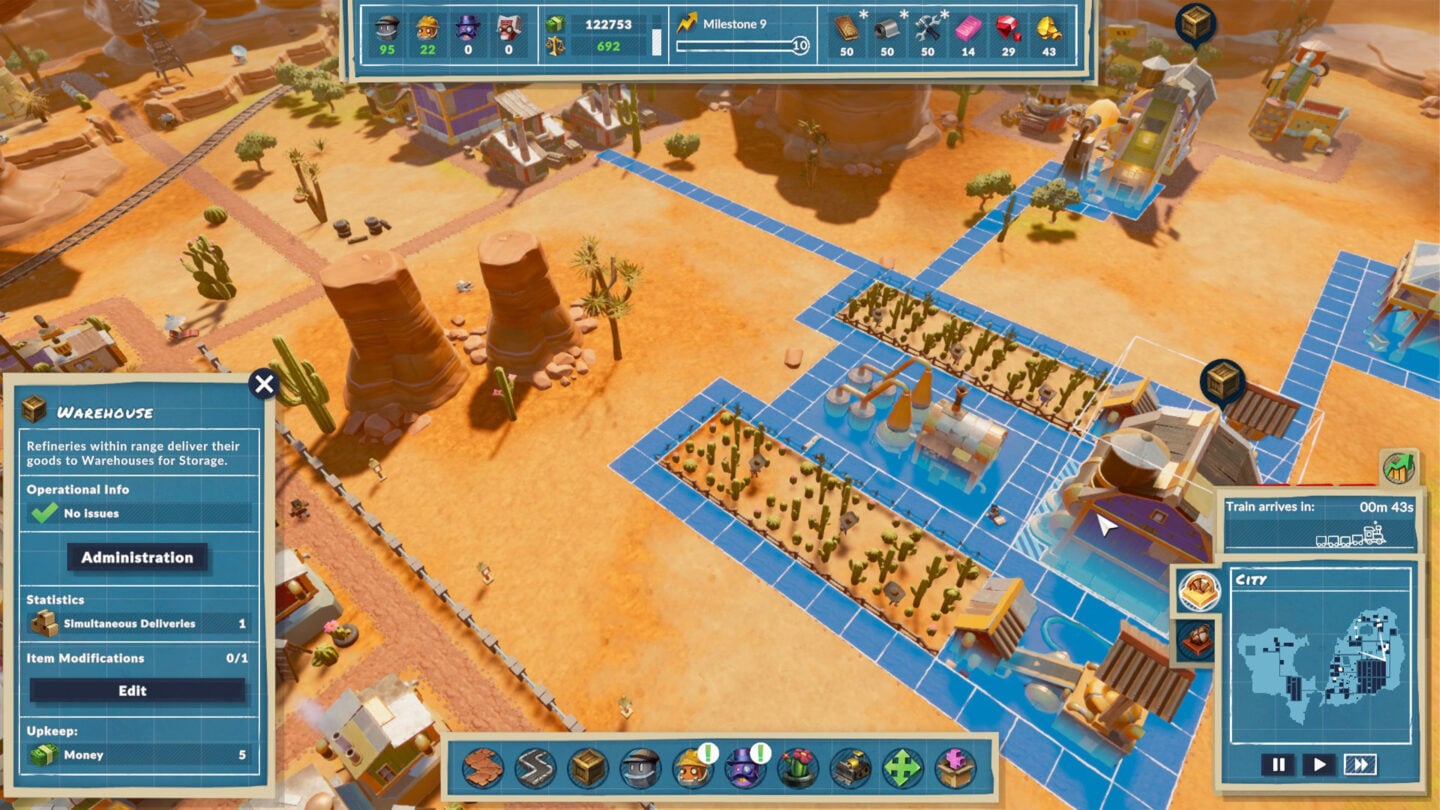
City building games on PC have evolved from simple grid-based simulations into deep, visually rich experiences that blend urban planning, economic management, and environmental design. Whether you're laying down your first residential zone or managing a metropolis of millions, these games challenge your foresight, patience, and problem-solving skills.
But with so many options—ranging from nostalgic classics to modern reboots and indie standouts—choosing the right one can be overwhelming. The real question isn’t just which game looks good, but which one keeps you engaged long after the power grid stabilizes and the traffic flows smoothly.
This guide cuts through the noise, spotlighting the most rewarding city building games available for PC, backed by gameplay depth, community longevity, and design innovation.
Why City Building Games on PC Still Dominate
PC remains the ideal platform for city builders. Unlike console adaptations, PC versions offer superior scalability, mod support, and precision control—essential when adjusting tax rates or routing public transit through dense downtown corridors.
More importantly, the genre thrives on multitasking. You're not just placing buildings; you're balancing budgets, managing pollution, responding to disasters, and adapting to citizen demands. The mouse-and-keyboard setup lets you toggle between views, drag zoning rectangles, and drill into data overlays without breaking flow.
Games like Cities: Skylines have become de facto urban planning sandboxes, used by some educators and urbanists to demonstrate real-world infrastructure challenges. That kind of depth isn’t accidental—it’s engineered for the PC ecosystem.
The Essential Picks: Top 5 City Building Games for PC
These titles represent the current gold standard in the genre. Each offers distinct mechanics, visual styles, and progression systems, but all deliver long-term engagement through meaningful choices and emergent gameplay.
1. Cities: Skylines (2015) The modern benchmark for urban simulation
Even nearly a decade after release, Cities: Skylines remains the go-to city builder for most PC gamers. Developed by Colossal Order and published by Paradox Interactive, it combines depth with accessibility.
- Zoning system: Residential, commercial, industrial, and office zones respond dynamically to demand and policy changes.
- Traffic AI: One of the most detailed traffic simulation systems in any game—traffic jams feel real, and fixing them requires actual planning.
- Mod support: Over 300,000 mods on the Steam Workshop, including asset creators, gameplay overhauls, and map expansions.
Use Case: You’re building a mid-sized city on a river delta. Flooding becomes a risk. You deploy dams, adjust zoning elevation, and implement green spaces to manage runoff—decisions that mirror real civil engineering trade-offs.
Limitation: Performance degrades in cities over 1 million population without optimization mods. The sequel addresses this (see below), but the original still holds up remarkably well.
2. Cities: Skylines II (2023) Ambitious but turbulent evolution
The sequel promised a leap forward: deeper simulation, smarter AI, and seamless scalability. It delivered on vision—but launched with performance issues and missing features.
- Agent-based simulation: Every citizen (over 1 million in large cities) has a job, home, and daily route.
- Economic depth: Supply chains now simulate raw materials to finished goods, affecting global trade and local prices.
- Native mod support: Built-in integration with Paradox Mods, though still less robust than its predecessor’s Steam Workshop.
Common Mistake: New players often over-zone commercial areas early, leading to traffic chaos and financial drain. The game rewards slow, organic growth.
Verdict: Still a work in progress, but when optimized, it offers the most advanced city simulation currently available. Wait for major patches or buy on sale if you're patient.
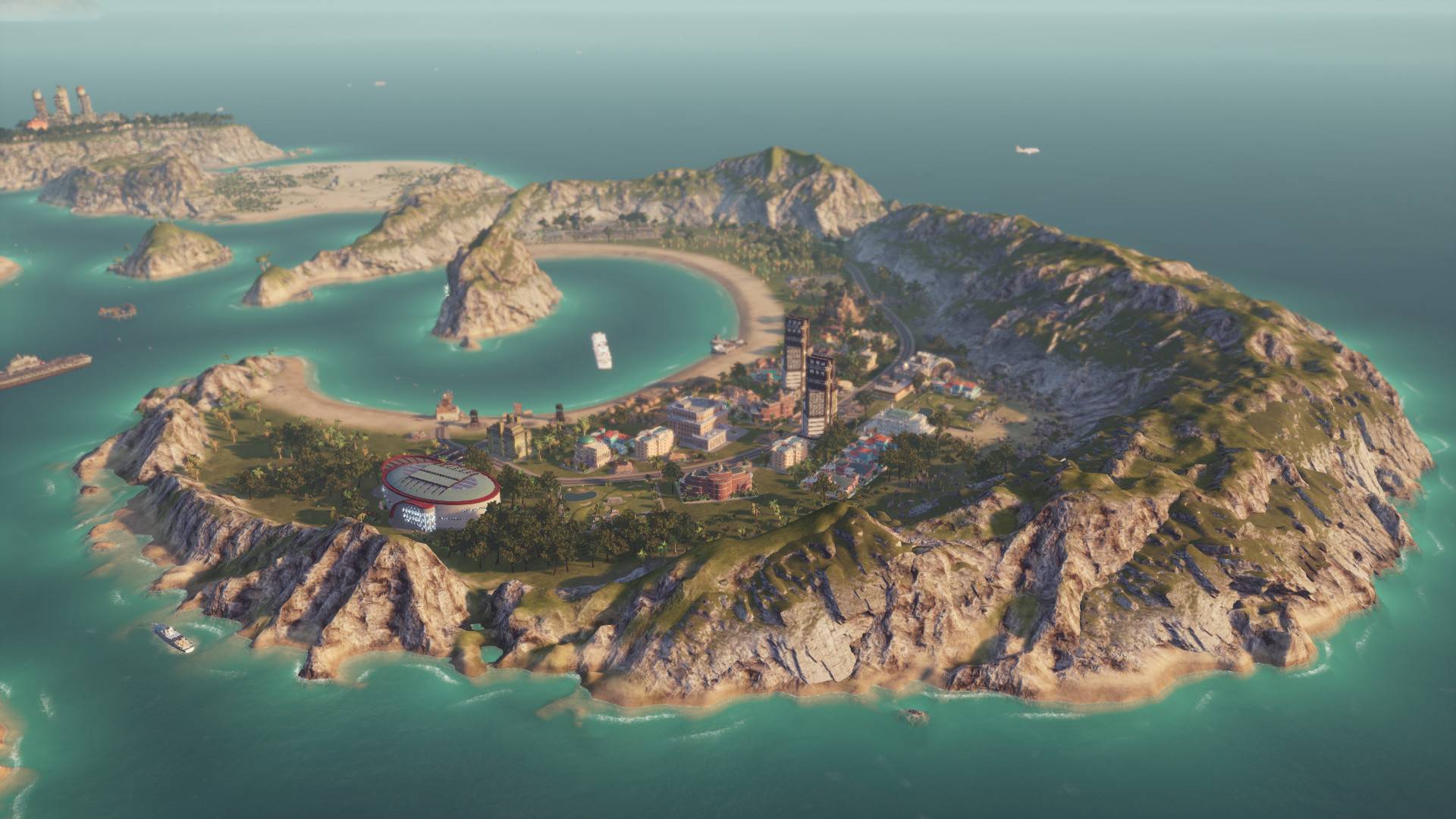
3. Tropico 6 (2019) Dictatorship meets urban planning
Tropico blends satire with city building, casting you as “El Presidente” of a Caribbean island nation. It’s as much a political sandbox as it is a management sim.
- Colonial-era progression: Build from wooden huts to futuristic eco-cities across four eras.
- Diplomacy system: Balance relations with the US, USSR, and other superpowers while smuggling, taxing, or nationalizing industries.
- Personality-driven citizens: Eccentric characters like “The Revolutionary” or “The Tourist” impact stability and economy.
Realistic Use Case: You’re exporting bananas to fund a tourism push, but activists demand better housing. You build luxury resorts while quietly suppressing dissent—classic Tropico moral flexibility.
Workflow Tip: Use the island archipelago structure to specialize each island (e.g., agriculture, industry, tourism) and connect them with ferries or bridges to minimize internal traffic.
4. Surviving the Aftermath (2021) Post-apocalyptic city building with survival mechanics
From the makers of Survivors, this game strips away the green lawns and cherry blossoms. You’re rebuilding civilization after a global catastrophe.
- Resource scavenging: Early game revolves around sending colonists to raid ruins for metal, concrete, and food.
- Disaster events: Meteor showers, radiation storms, and raider attacks keep tension high.
- Colony specialization: Choose paths like science, military, or engineering to unlock unique buildings and perks.
Limitation: Less emphasis on aesthetics; the focus is on resilience. Not ideal if you want to design a beautiful skyline.
Ideal For: Players who enjoy constant risk assessment and layered decision-making under pressure.
5. Anno 1800 (2019) Industrial revolution meets empire management
The Anno series has always blended city building with real-time strategy, but Anno 1800 stands out for its elegance and scale.
- Dual-layer economy: Manage production chains across rural farms and urban factories.
- Multi-island empire: Establish colonies, trade routes, and naval fleets.
- Social class simulation: Workers, artisans, engineers, and investors each have needs and influence productivity.
Practical Tip: Always over-produce coal and steel. Blackouts and strikes happen fast when energy or materials run low during expansion.
Community Favorite: Known for gorgeous visuals, intricate logistics, and mod support that adds new maps and scenarios.
Honorable Mentions Worth Your Time
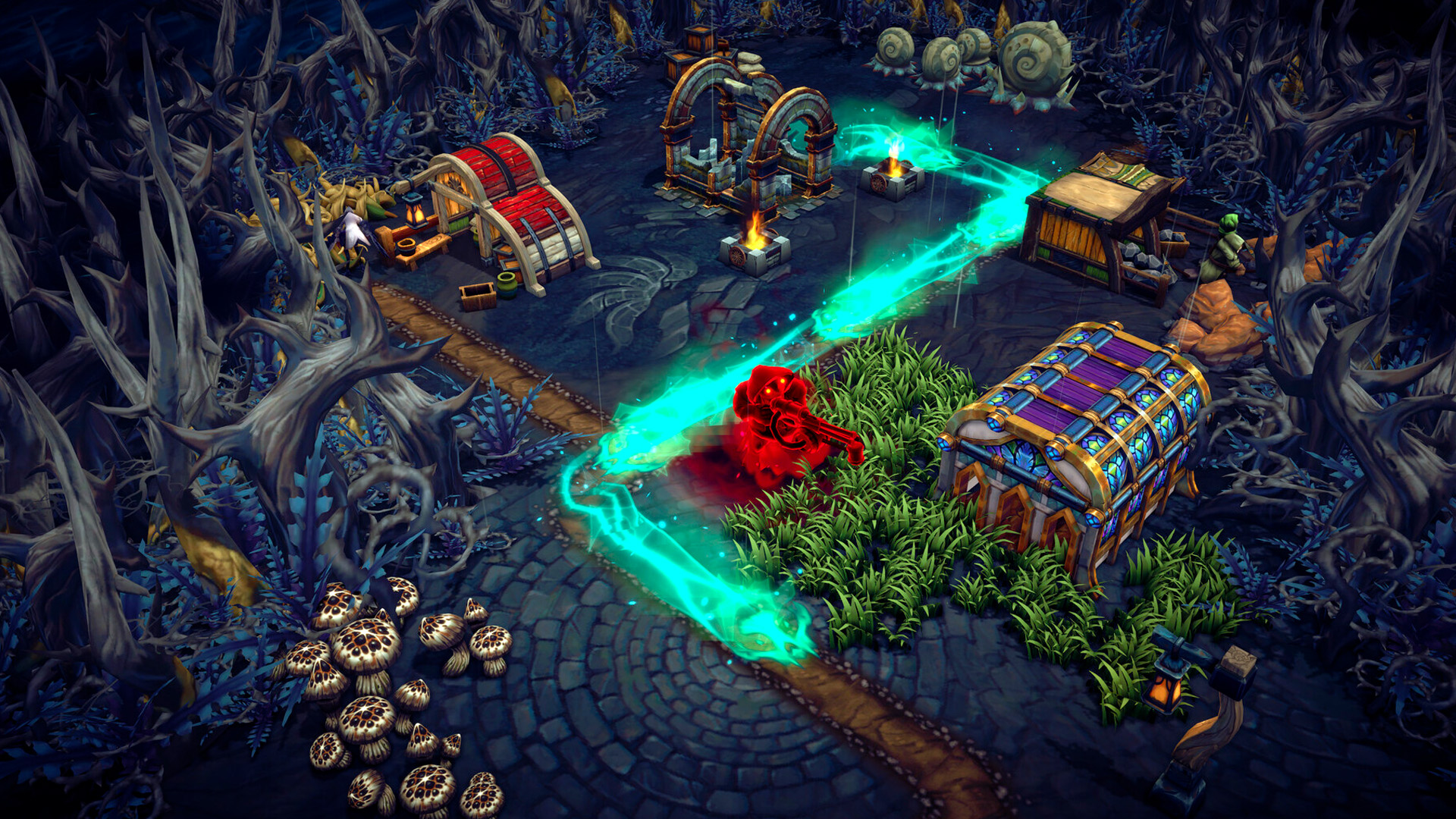
Not every great city builder needs a massive budget. These titles offer unique spins on the genre, often with tighter focus or innovative mechanics.
- Frostpunk (2018): Build the last city on Earth beneath a frozen wasteland. Survival hinges on heat management, lawmaking, and moral choices.
- Banished (2014): A minimalist, medieval settlement sim—no combat, no magic, just agriculture, weather, and population dynamics.
- TheoTown (2019): Mobile-inspired but fully playable on PC, with retro graphics and lightweight simulation—perfect for older machines.
- Lethis – Path of Progress (2020): Steampunk-themed city builder with a narrative-driven campaign and tile-based mechanics.
Each offers a distinct flavor—whether it’s the moral weight of Frostpunk or the meditative pace of Banished.
Key Features to Look for in a City Building Game
Not all city builders are created equal. Here’s what separates a passing distraction from a long-term obsession:
| Feature | Why It Matters |
|---|---|
| Mod support | Extends replayability and fixes design gaps (e.g., better traffic AI, custom assets) |
| Traffic simulation | Poor AI leads to unrealistic bottlenecks and frustration |
| Zoning flexibility | Granular control over density, placement, and land use |
| Disaster or crisis systems | Adds urgency and tests resilience |
| Economic depth | Simulates supply chains, pricing, and employment |
| Performance at scale | Can it handle 500,000+ population without lag? |
Games like Cities: Skylines excel in all categories. Others, like Surviving the Aftermath, trade visual fidelity for mechanical tension.
Common Pitfalls (And How to Avoid Them)
New players often make the same mistakes—here’s how to sidestep them:
- Over-expanding too fast: Unlocking new land early feels rewarding, but without infrastructure, it becomes a money sink.
- Ignoring public transit: Relying only on roads leads to gridlock. Build buses, metros, and bike lanes early.
- Underestimating pollution: Ground, water, and noise pollution affect health and land value. Plan industrial zones downwind and use green buffers.
- Neglecting budgets: It’s easy to overspend on parks and monuments. Adjust tax rates and service funding as your city grows.
Pro Tip: Always keep a 10–15% budget surplus. Emergencies—like fires or disease outbreaks—will drain funds fast.
The Verdict: Which Game Should You Play?
- For realism and depth: Cities: Skylines or Anno 1800
- For creative freedom and mods: Cities: Skylines (still unbeaten here)
- For narrative and moral choices: Frostpunk or Tropico 6
- For survival tension: Surviving the Aftermath
- For historical or industrial themes: Anno 1800 or Banished
If you’re new to the genre, start with Cities: Skylines—its learning curve is gentle, and the community is massive. Veterans craving fresh challenges should try Anno 1800 or the evolving Cities: Skylines II.
Great city building games don’t just let you construct cities—they make you think like a planner, a politician, and sometimes, a crisis manager. On PC, where performance, precision, and modding converge, the experience reaches its peak. Pick one of these titles, start small, and watch your vision grow from a single power line to a thriving urban ecosystem.